

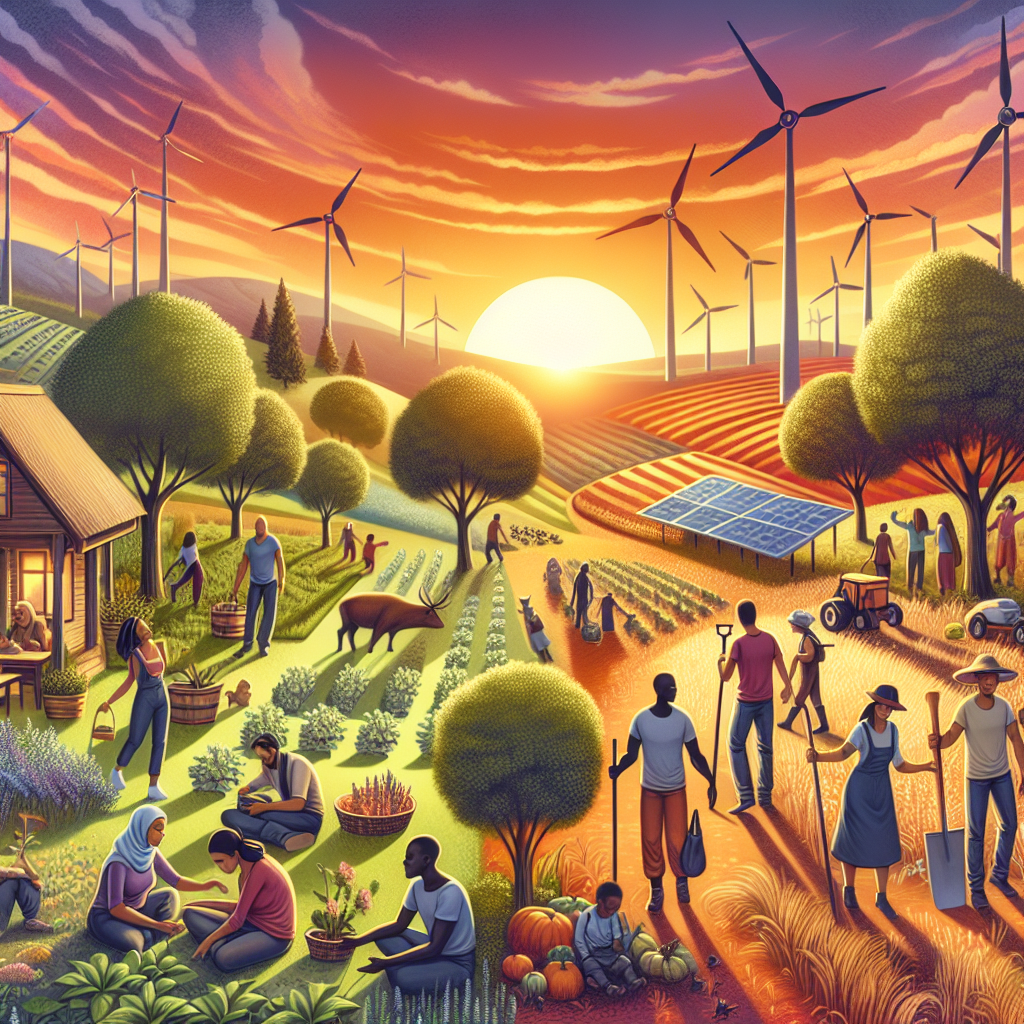
In our interconnected world, events unfolding thousands of miles away can have profound effects on rural communities like Silt, Colorado. Understanding these global influences is crucial for building resilience and ensuring sustainable development.
Climate Change and Environmental Shifts
Climate change poses significant challenges to rural areas. Increased frequency of droughts, floods, and extreme weather events disrupt agricultural activities, threaten water resources, and impact local economies. For instance, the National Climate Assessment highlights that rural communities are highly dependent on natural resources that are affected by climate change, making them particularly vulnerable to its impacts. [Source: National Climate Assessment]
Economic Globalization and Trade Dynamics
Global economic trends, including trade policies and market fluctuations, directly affect rural economies. The International Fund for Agricultural Development (IFAD) notes that conflicts and crises in distant regions can lead to supply chain disruptions, affecting the availability and cost of essential goods like fertilizers and fuel. Such disruptions can have cascading effects on small-scale producers and rural livelihoods. [Source: IFAD]
Health Crises and Pandemics
Global health crises, such as pandemics, can disproportionately impact rural communities. Limited healthcare infrastructure, fewer medical professionals, and greater distances to healthcare facilities exacerbate vulnerabilities. The World Economic Forum emphasizes that marginalized communities often bear the brunt of global health crises, highlighting the need for targeted interventions to address these disparities. [Source: World Economic Forum]
Building Resilience Through Local Action
While global events present challenges, they also offer opportunities for rural communities to adapt and thrive. Investing in sustainable agricultural practices, diversifying local economies, and strengthening community networks can enhance resilience. Additionally, leveraging technology to improve connectivity and access to information can empower rural residents to respond effectively to global changes.
By staying informed about global developments and proactively implementing adaptive strategies, communities like Silt can navigate the complexities of an interconnected world, ensuring a sustainable and prosperous future.